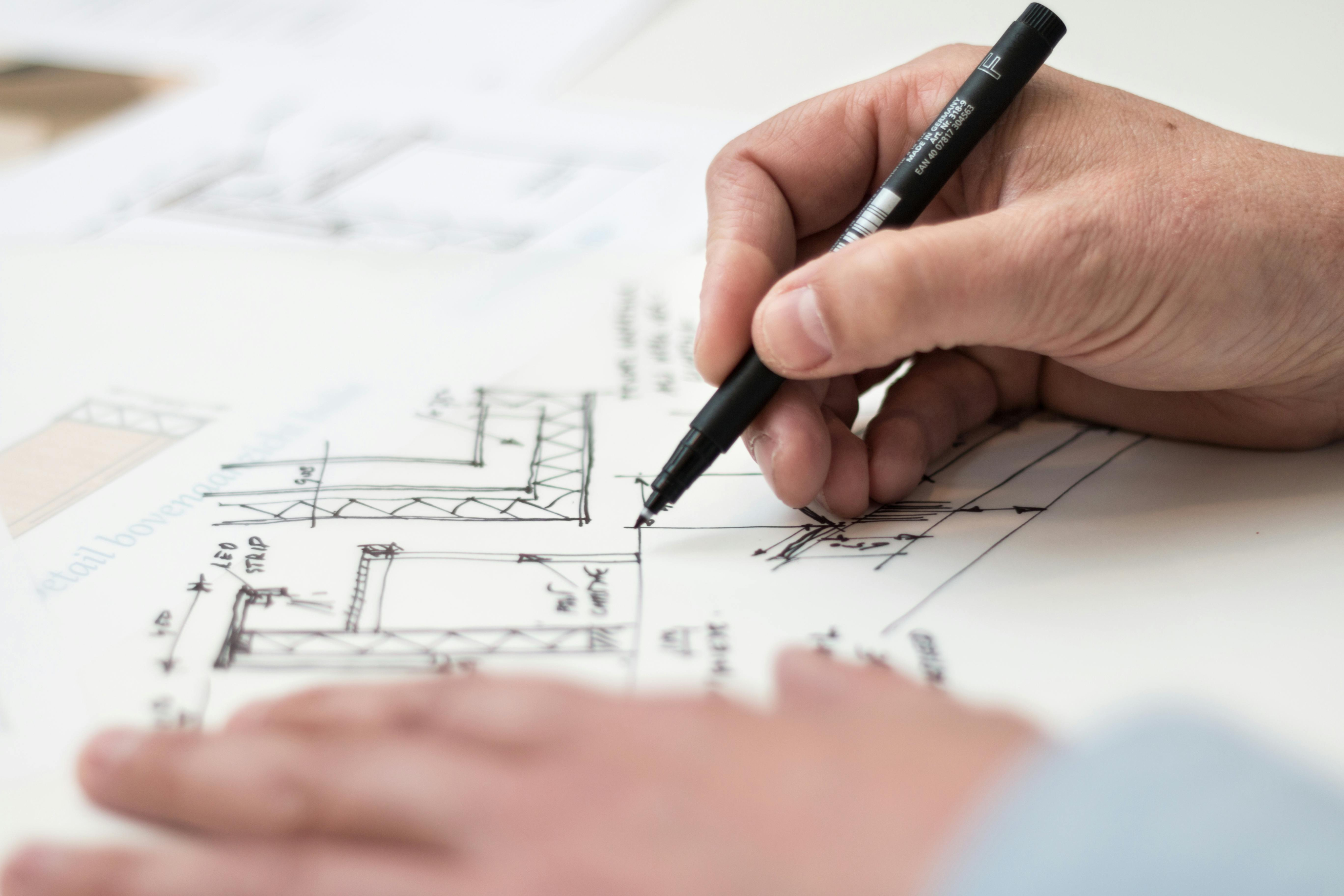
Architecture
A profession focused on designing and overseeing the construction of buildings and other structures
Area
Detail
Pathway (Traditional)
GCSEs > A-Levels > University Parts 1, 2, & 3 (minimum 7 years total). Part 1 (3-year BA/BSc), Part 2 (2-year March), 1 year professional practice, then Part 3 final exams. All parts must be ARB and RIBA accredited.
Pathway (New ARB)
4-year Integrated Master's (March) to meet ARB academic outcomes > 2 or more years in professional practice (minimum 6 years total).
Possible Alternative Pathways
Architectural or Construction Diploma instead of A-Levels. Apprenticeship route (available from Part 2 onwards), increasing duration (e.g., UoN takes 53 months for Part 2 & 3), but provides income and experience while studying part-time.
GCSE Grades Necessary
Minimum 5 GCSEs (Grades 9–4 / A–C) including English, Maths, and Science. Art & Design / Design & Technology are very helpful. Physics and Maths aid structural/technical understanding.
A Level Grades Necessary
A*AA–BBB (university dependent). Art, Design & Technology, or Graphics are very useful. Maths and Physics are also valued. A portfolio of design work is often required.
Degree Necessary?
Yes. A degree is required as part of the official training route accredited by the RIBA and ARB.
Required/Helpful Degree(s)
ARB/RIBA Part 1: BA/BSc/BArch (Hons) in Architecture (3 years). ARB/RIBA Part 2: MArch (Master of Architecture) (2 years). ARB/RIBA Part 3: Professional Practice course.
Accreditations Needed
ARB registration (legally required to use the title 'Architect'). RIBA chartership (optional but highly respected for career progression).
Post-Graduate Courses
Part 2 Master’s (MArch) and Part 3 Professional Practice. Specialisms like Sustainable Design, Urban Design, or BIM are also available.
Prep Work to Do Now
Build a portfolio (sketches, models, photography). Learn basic CAD/3D software (AutoCAD, SketchUp, Rhino, Revit). Visit buildings and exhibitions; study design. Develop sketching and model-making skills. Read architectural theory.
Day-to-Day Tasks/Roles
Designing buildings (concept to detail). Client meetings. Producing drawings and models (digital & physical). Coordinating with engineers and contractors. Site visits and inspecting work. Managing projects and budgets.
Hours of Work & Flexibility
Typical: 40–50 hours/week. Hours can be extended before deadlines/tenders. Flexibility improves with seniority or self-employment.
Average Salary (5-Day Week)
Part 1 Assistant: £22K–£28K. Part 2 Assistant: £28K–£35K. Qualified Architect (Average): £35K–£45K. Senior/Associate: £45K–£60K+. Director/Partner: £70K–£100K+.
Free Time
Varies – early career can be demanding. More flexibility once experienced or self-employed. Creative passion often overlaps with personal time.
Employment Status
Both Employed (most start here) and Self-employed (many later open their own studio) are common.
Autonomy
Increases with experience. Senior architects/practice owners have high control over design and management.
Career Progression
Architect > Senior Architect > Associate > Director/Partner > Practice Owner. Other routes: Urban Design, Project Management, Sustainability Consultancy, Teaching/Research.
Respected Companies
Foster + Partners, Zaha Hadid Architects, BDP, Grimshaw, Hawkins\Brown, Heatherwick Studio, AHMM, and smaller regional practices.
Passive Income Prospects
Limited while working traditionally. Possible through property development, publishing digital resources/design templates, or part-time teaching/consulting.
Future Role of AI/Tech
AI-assisted design tools (speed up concept/rendering). BIM & digital twins for smart buildings. Sustainability tech driving energy-efficient designs. Architects remain vital for creative vision and human-focused design.
Further Information
Architecture is a blend of art, science, and social responsibility. It requires creativity, patience, teamwork, and resilience. Seeing a designed building come to life is very rewarding.
Where to Learn More
RIBA (www.architecture.com), Architects Registration Board (ARB), UCAS, YouTube, and Instagram.
Architecture
A profession focused on designing and overseeing the construction of buildings and other structures
Area
Detail
Pathway (Traditional)
GCSEs > A-Levels > University Parts 1, 2, & 3 (minimum 7 years total). Part 1 (3-year BA/BSc), Part 2 (2-year March), 1 year professional practice, then Part 3 final exams. All parts must be ARB and RIBA accredited.
Pathway (New ARB)
4-year Integrated Master's (March) to meet ARB academic outcomes > 2 or more years in professional practice (minimum 6 years total).
Possible Alternative Pathways
Architectural or Construction Diploma instead of A-Levels. Apprenticeship route (available from Part 2 onwards), increasing duration (e.g., UoN takes 53 months for Part 2 & 3), but provides income and experience while studying part-time.
GCSE Grades Necessary
Minimum 5 GCSEs (Grades 9–4 / A–C) including English, Maths, and Science. Art & Design / Design & Technology are very helpful. Physics and Maths aid structural/technical understanding.
A Level Grades Necessary
A*AA–BBB (university dependent). Art, Design & Technology, or Graphics are very useful. Maths and Physics are also valued. A portfolio of design work is often required.
Degree Necessary?
Yes. A degree is required as part of the official training route accredited by the RIBA and ARB.
Required/Helpful Degree(s)
ARB/RIBA Part 1: BA/BSc/BArch (Hons) in Architecture (3 years). ARB/RIBA Part 2: MArch (Master of Architecture) (2 years). ARB/RIBA Part 3: Professional Practice course.
Accreditations Needed
ARB registration (legally required to use the title 'Architect'). RIBA chartership (optional but highly respected for career progression).
Post-Graduate Courses
Part 2 Master’s (MArch) and Part 3 Professional Practice. Specialisms like Sustainable Design, Urban Design, or BIM are also available.
Prep Work to Do Now
Build a portfolio (sketches, models, photography). Learn basic CAD/3D software (AutoCAD, SketchUp, Rhino, Revit). Visit buildings and exhibitions; study design. Develop sketching and model-making skills. Read architectural theory.
Day-to-Day Tasks/Roles
Designing buildings (concept to detail). Client meetings. Producing drawings and models (digital & physical). Coordinating with engineers and contractors. Site visits and inspecting work. Managing projects and budgets.
Hours of Work & Flexibility
Typical: 40–50 hours/week. Hours can be extended before deadlines/tenders. Flexibility improves with seniority or self-employment.
Average Salary (5-Day Week)
Part 1 Assistant: £22K–£28K. Part 2 Assistant: £28K–£35K. Qualified Architect (Average): £35K–£45K. Senior/Associate: £45K–£60K+. Director/Partner: £70K–£100K+.
Free Time
Varies – early career can be demanding. More flexibility once experienced or self-employed. Creative passion often overlaps with personal time.
Employment Status
Both Employed (most start here) and Self-employed (many later open their own studio) are common.
Autonomy
Increases with experience. Senior architects/practice owners have high control over design and management.
Career Progression
Architect > Senior Architect > Associate > Director/Partner > Practice Owner. Other routes: Urban Design, Project Management, Sustainability Consultancy, Teaching/Research.
Respected Companies
Foster + Partners, Zaha Hadid Architects, BDP, Grimshaw, Hawkins\Brown, Heatherwick Studio, AHMM, and smaller regional practices.
Passive Income Prospects
Limited while working traditionally. Possible through property development, publishing digital resources/design templates, or part-time teaching/consulting.
Future Role of AI/Tech
AI-assisted design tools (speed up concept/rendering). BIM & digital twins for smart buildings. Sustainability tech driving energy-efficient designs. Architects remain vital for creative vision and human-focused design.
Further Information
Architecture is a blend of art, science, and social responsibility. It requires creativity, patience, teamwork, and resilience. Seeing a designed building come to life is very rewarding.
Where to Learn More
RIBA (www.architecture.com), Architects Registration Board (ARB), UCAS, YouTube, and Instagram.
Architecture
A profession focused on designing and overseeing the construction of buildings and other structures
Area
Detail
Pathway (Traditional)
GCSEs > A-Levels > University Parts 1, 2, & 3 (minimum 7 years total). Part 1 (3-year BA/BSc), Part 2 (2-year March), 1 year professional practice, then Part 3 final exams. All parts must be ARB and RIBA accredited.
Pathway (New ARB)
4-year Integrated Master's (March) to meet ARB academic outcomes > 2 or more years in professional practice (minimum 6 years total).
Possible Alternative Pathways
Architectural or Construction Diploma instead of A-Levels. Apprenticeship route (available from Part 2 onwards), increasing duration (e.g., UoN takes 53 months for Part 2 & 3), but provides income and experience while studying part-time.
GCSE Grades Necessary
Minimum 5 GCSEs (Grades 9–4 / A–C) including English, Maths, and Science. Art & Design / Design & Technology are very helpful. Physics and Maths aid structural/technical understanding.
A Level Grades Necessary
A*AA–BBB (university dependent). Art, Design & Technology, or Graphics are very useful. Maths and Physics are also valued. A portfolio of design work is often required.
Degree Necessary?
Yes. A degree is required as part of the official training route accredited by the RIBA and ARB.
Required/Helpful Degree(s)
ARB/RIBA Part 1: BA/BSc/BArch (Hons) in Architecture (3 years). ARB/RIBA Part 2: MArch (Master of Architecture) (2 years). ARB/RIBA Part 3: Professional Practice course.
Accreditations Needed
ARB registration (legally required to use the title 'Architect'). RIBA chartership (optional but highly respected for career progression).
Post-Graduate Courses
Part 2 Master’s (MArch) and Part 3 Professional Practice. Specialisms like Sustainable Design, Urban Design, or BIM are also available.
Prep Work to Do Now
Build a portfolio (sketches, models, photography). Learn basic CAD/3D software (AutoCAD, SketchUp, Rhino, Revit). Visit buildings and exhibitions; study design. Develop sketching and model-making skills. Read architectural theory.
Day-to-Day Tasks/Roles
Designing buildings (concept to detail). Client meetings. Producing drawings and models (digital & physical). Coordinating with engineers and contractors. Site visits and inspecting work. Managing projects and budgets.
Hours of Work & Flexibility
Typical: 40–50 hours/week. Hours can be extended before deadlines/tenders. Flexibility improves with seniority or self-employment.
Average Salary (5-Day Week)
Part 1 Assistant: £22K–£28K. Part 2 Assistant: £28K–£35K. Qualified Architect (Average): £35K–£45K. Senior/Associate: £45K–£60K+. Director/Partner: £70K–£100K+.
Free Time
Varies – early career can be demanding. More flexibility once experienced or self-employed. Creative passion often overlaps with personal time.
Employment Status
Both Employed (most start here) and Self-employed (many later open their own studio) are common.
Autonomy
Increases with experience. Senior architects/practice owners have high control over design and management.
Career Progression
Architect > Senior Architect > Associate > Director/Partner > Practice Owner. Other routes: Urban Design, Project Management, Sustainability Consultancy, Teaching/Research.
Respected Companies
Foster + Partners, Zaha Hadid Architects, BDP, Grimshaw, Hawkins\Brown, Heatherwick Studio, AHMM, and smaller regional practices.
Passive Income Prospects
Limited while working traditionally. Possible through property development, publishing digital resources/design templates, or part-time teaching/consulting.
Future Role of AI/Tech
AI-assisted design tools (speed up concept/rendering). BIM & digital twins for smart buildings. Sustainability tech driving energy-efficient designs. Architects remain vital for creative vision and human-focused design.
Further Information
Architecture is a blend of art, science, and social responsibility. It requires creativity, patience, teamwork, and resilience. Seeing a designed building come to life is very rewarding.
Where to Learn More
RIBA (www.architecture.com), Architects Registration Board (ARB), UCAS, YouTube, and Instagram.